
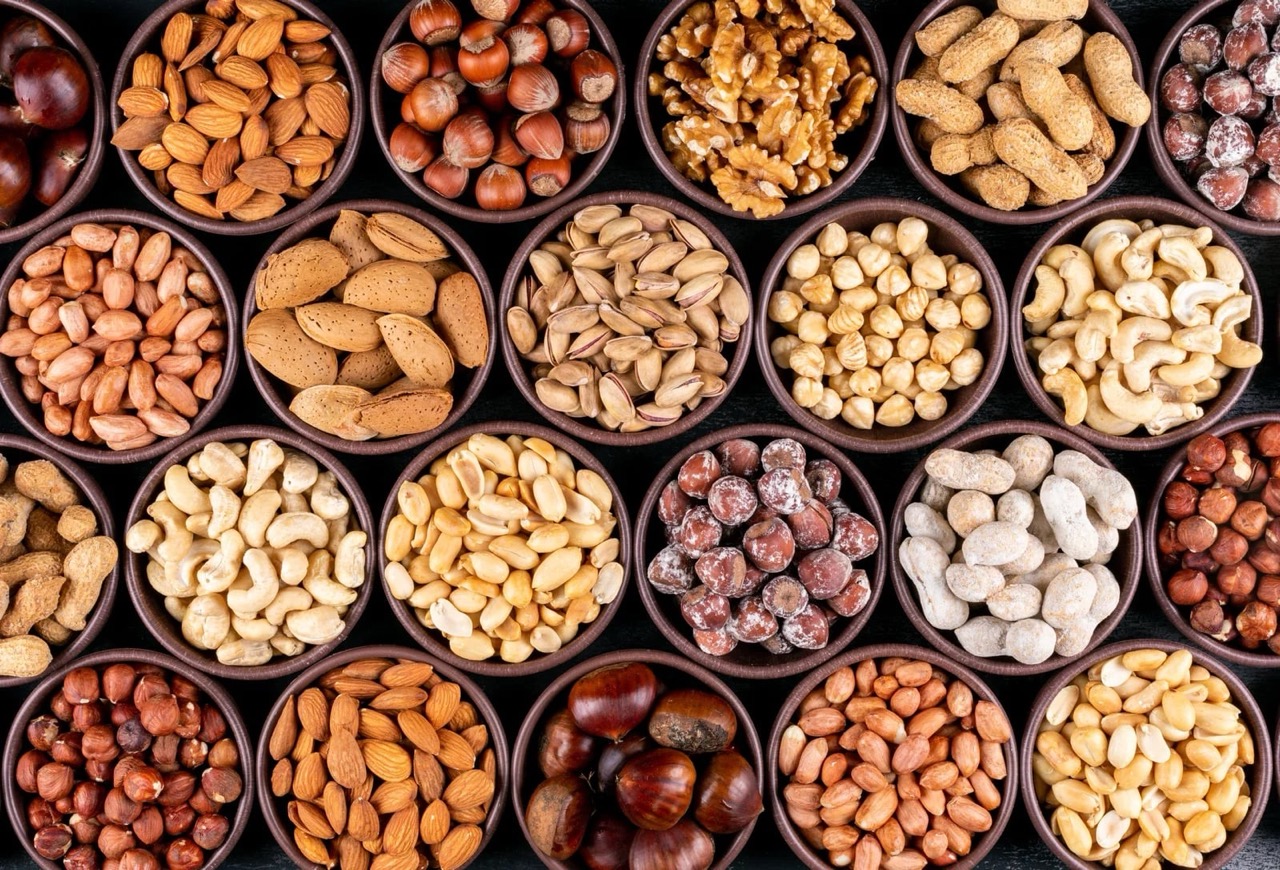
Dry fruits wholesale in Nepal isn’t something you can fully understand from a Google search — I found that out the hard way after spending an afternoon walking between three different market areas in Kathmandu. I went in assuming one visit to Asan would be enough. It wasn’t.
What follows is a first-hand account of that search: where I started, who redirected me and why, and where the actual wholesale supply chain for dry fruits in the Kathmandu Valley seems to begin. If you’re trying to source dry fruits in bulk — whether for a shop, a business, or a festival season stock-up — this is the route I’d take if I were starting over today.
Where I Started: Asan
Asan is the obvious first stop for anyone searching for dry fruits in Kathmandu. It’s one of the oldest and busiest trading squares in the city, and dry fruit shops sit right alongside spice traders, grain sellers, and general merchants — it’s chaotic in the best way, the kind of place where you can smell cardamom before you see it.
I walked into a handful of shops here and asked directly about wholesale rates and bulk purchasing. The answers were consistent: Asan shopkeepers sell dry fruits, but most of what’s on their shelves is priced for retail customers, not bulk buyers. When I pushed further and asked where I could get better rates for larger quantities, more than one shopkeeper pointed me in the same direction — Makkhan Galli, opposite Bishal Bazar.
That redirection itself told me something useful: Asan is where Kathmandu buys dry fruits, but it isn’t necessarily where the city’s dry fruit trade originates.
Following the Lead: Makkhan Galli
Makkhan Galli, tucked near Newroad opposite Bishal Bazar, has a reputation as one of Kathmandu’s established dry fruit trading lanes — a few older news reports on Kathmandu’s festival-season dry fruit prices mention traders based here by name, which matched what the Asan shopkeepers had told me. It’s a narrower, more concentrated stretch than Asan, with shop after shop stacked with sacks and containers of almonds, cashews, raisins, walnuts, and dates.
This is genuinely closer to a wholesale environment. Shopkeepers here were more willing to discuss bulk pricing, and it was clear this lane services other retailers, not just walk-in customers buying a kilogram at a time. Several of the traders I spoke to mentioned sourcing their stock from importers who bring in dry fruits from India, Afghanistan, Iran, and other supplying countries — a pattern that lines up with how Nepal’s dry fruit trade has worked for years, given the country produces very little of its own supply.
Still, even here, I got a sense that Makkhan Galli functions more as a trading and distribution point than the absolute source. When I asked a couple of traders where the bigger volume actually moves through, the conversation pointed further out — toward Kalimati and Balkhu.
Where the Trail Actually Leads: Kalimati and Balkhu
Kalimati is well known in Kathmandu as the city’s major wholesale hub for fruits and vegetables, so at first it didn’t seem like an obvious fit for dry fruits specifically. But based on what I found during this stretch of the research, the Kalimati/Balkhu belt is also where wholesale dry fruit suppliers operate — the businesses that appear to actually supply stock onward to retail shops across other parts of Kathmandu, including the ones in Asan and Makkhan Galli.
This is the part of the search that felt most like finding the real answer. Asan is where the public buys. Makkhan Galli is where trading and mid-level bulk distribution happens. Kalimati/Balkhu is where the supply chain appears to start from a Kathmandu-based standpoint — before it fans out to the smaller shops city residents are more familiar with.
If your goal is genuinely wholesale pricing for larger volumes — not just a slightly better rate than a retail shop — this is the area worth prioritizing in your own research, based on what I observed.
